

Sep. 30, 2026
Share:
Ensuring that your supplier utilizes lead-free PVC is critical for achieving European REACH compliance and safeguarding your brand reputation. Whether you’re new to supply chain management or have years of experience, the following structured approach will help you verify your supplier's PVC material quality effectively. By implementing these steps, you can avoid compliance issues and enhance the trustworthiness of your products in the highly regulated European market.
Starting with the basics, the first step is to request and review your supplier’s material data safety sheets (MSDS) and declarations of conformity. These documents should clearly state that the PVC used in the products is free from lead and complies with European REACH regulations. A concrete metric you should look for is that the lead levels identified must be lower than 0.1% by weight, in accordance with the applicable EU regulations.
Next, conducting a thorough assessment of your supplier’s certifications is crucial. Request third-party certification, such as the ISO 14001, which indicates they comply with environmental management standards. Also, inquire about any recent testing conducted under industry standards like ASTM D3370 or DIN EN 14582. I often engage with suppliers asking for proof of 100% inspection results which highlight their commitment to quality.
Request Documentation:
Verify Certifications:
Perform Product Testing:
Supplier Audits:
Continuous Monitoring:
When verifying your supplier’s use of lead-free PVC, keep in mind that transparency is essential. Ensure effective communication with suppliers and seek out their willingness to disclose relevant information. Additionally, the implementation of an internal checklist might be beneficial for tracking compliance documentation, testing results, and supplier performance over time.
One compelling case to reference is a European toy manufacturer that successfully eliminated all lead-containing PVC from their supply chain by following a comprehensive verification process. With meticulous documentation and continuous supplier audits, they saw a 30% improvement in their compliance metrics, which in turn enhanced customer trust and sales.
For practical tools, consider utilizing platforms such as REACH-IT for reporting REACH compliance and ChemSpider for material property and compliance checks. I’ve often found that these resources can assist in verifying the chemical composition of your products effectively.
While the process is straightforward, challenges such as supplier reluctance or documentation inaccuracy can arise. To overcome these challenges, it’s essential to establish long-term partnerships and educate your suppliers about the benefits of compliance. Engaging in regular training sessions about lead-free materials and compliance requirements can foster cooperation and diligence in maintaining standards.
To recap, ensuring that your supplier uses lead-free PVC for European REACH compliance involves a systematic approach anchored in documentation, certification verification, product testing, and continuous monitoring. By following these steps, you can ensure your supply chain is compliant and your products are safe, ultimately leading to a better market standing. I urge you to implement these strategies thoroughly to protect your brand and consumers alike.
In closing, leveraging your diligence in supplier management today will pay off significantly in the long run. By focusing on lead-free various alternatives and continuous compliance, you'll not only meet regulatory requirements but also secure customer trust with every product bearing your name.
Related News & Blog
R&D Capability
Sep. 30, 2026
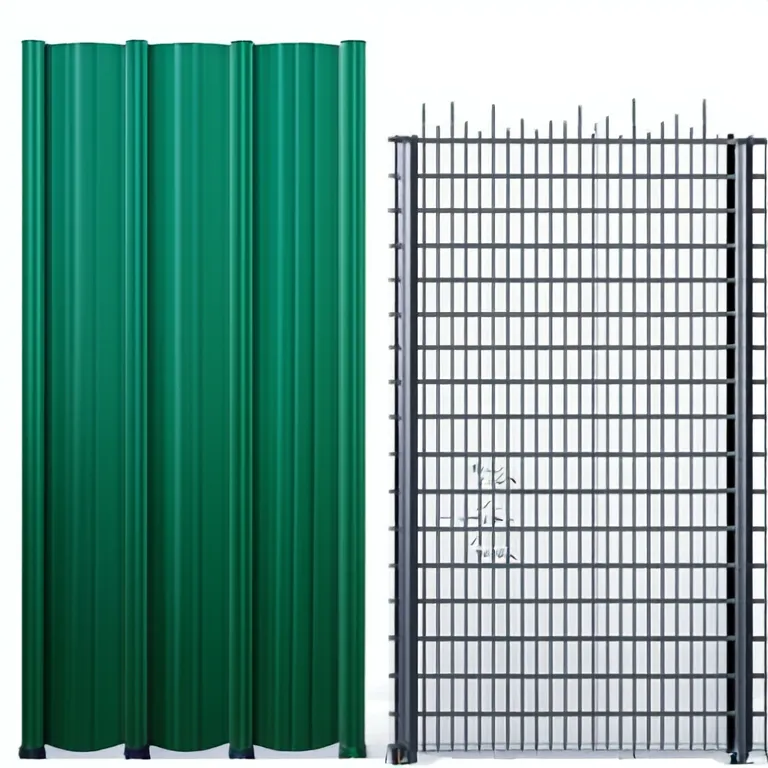
PVC coated vs. galvanized only: total cost of ownership over 10 years for perimeter fencing.
When it comes to choosing the right material for perimeter fencing, many property owners find themselves at a crossroads between PVC coated and galvanized only options. Each material has distinct benefits and drawbacks, leading to numerous questions: How do they compare in terms of maintenance costs, longevity, and overall effectiveness? A common pain point for users is whether the initial
View More
Sep. 30, 2026
Guide to verifying that your supplier uses lead-free PVC for European REACH compliance.
Ensuring that your supplier utilizes lead-free PVC is critical for achieving European REACH compliance and safeguarding your brand reputation. Whether you’re new to supply chain management or have years of experience, the following structured approach will help you verify your supplier's PVC material quality effectively. By implementing these steps, you can avoid compliance issues and enhance
View More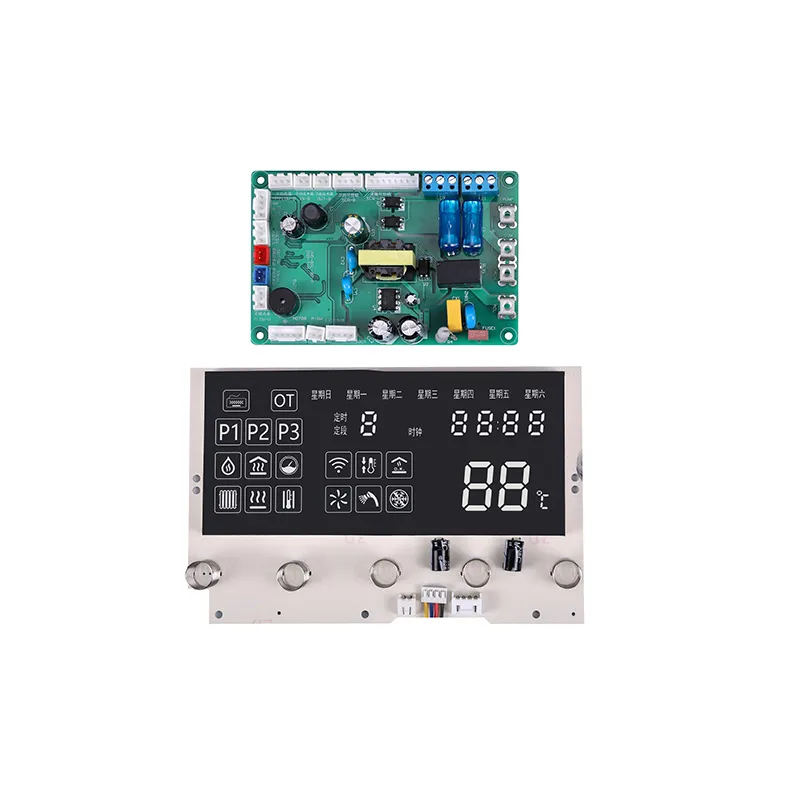
Sep. 01, 2026
Why a conformal‑coated control board prevents humidity failure in tankless water heaters.
When it comes to maintaining optimal performance in tankless water heaters, humidity is a significant concern for homeowners. Many experience failures due to moisture infiltration into control boards, leading to costly repairs and inefficient heating. With a conformally coated control board, users can significantly reduce these risks. By implementing this protective coating, owners can prolong
View More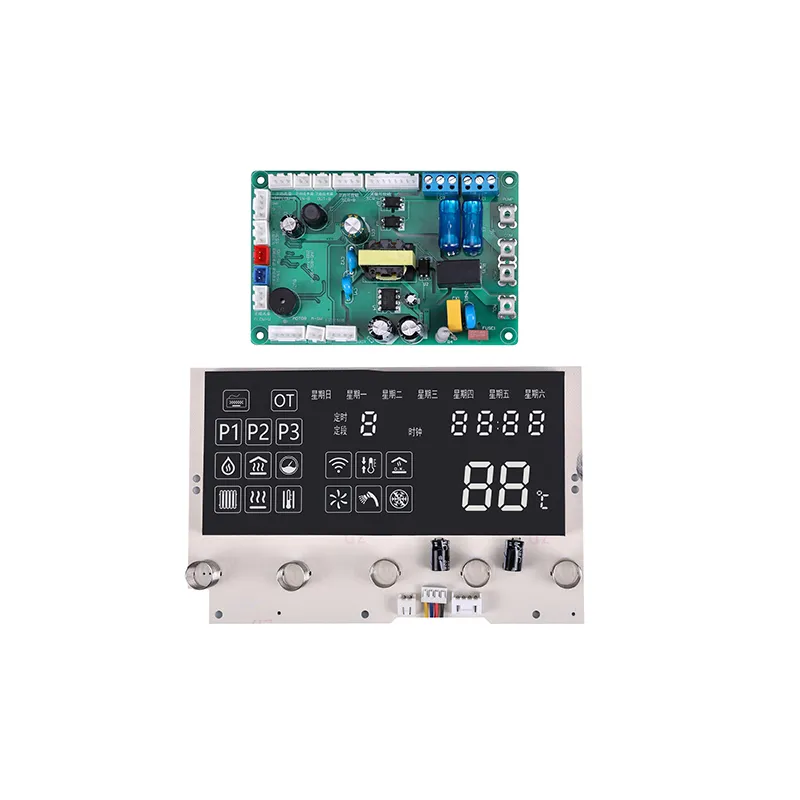
Aug. 31, 2026
How to match a universal water heater control board to your existing thermistor and gas valve.
When your water heater malfunctions, it can lead to frustrating delays in your daily routine. Homeowners often face issues such as inconsistent hot water supply or complete system failure. According to a survey by HomeAdvisor, 73% of homeowners report that erratic water heater performance significantly disrupts their home life. This is where a universal water heater control board can save the
View More
Jul. 16, 2026
From June 23 to 25, 2026, the team from Choig visited key local clients in Istanbul and Eskişehir, Turkey, for a three-day series of in-depth meetings.
View More
May. 20, 2026
In April 2026, the global construction and building materials industry focused its attention on São Paulo, Brazil.
View MoreRelated Solutions
We have a strong R&D and design team, especially in the field of instantaneous electric water heaters with unparalleled advantages and experience


This solution is suitable for all kinds of electric heater with display
Discover Our Range

This control system is suitable for multifunctional domestic hot and cold water heat pump control systems with heating, cooling, domestic water and external energy.
Discover Our Range

This solution is suitable for built-in or table electric oven with LCD display.
Discover Our Range

This solution is suitable for built-in wired controller and external wired controller for electric boiler, After adjustment will be suitable for shower and built-in tank Multifunctional control system.
Discover Our Range

Chillerwater Boiler Control Board
This solution is suitable for Under-Sink boiler, chiller and sparkling water dispensor series with display.
Discover Our Range
Instant Water Heater Control Board
This solution is applicable to all instant electric water heater models with constant temperature requirements and adjustable temperature display.
Discover Our Range

Storage Water Heater Control Board
This solution is suitable for built-in or external water storage control systems with display
Discover Our Range

This control board solution is specifically designed for and fully compatible with household cooling fans that feature remote control functionality.
Discover Our Range
Get Started with Scheme Design + PCBA
We provide one-stop service of scheme design + PCBA, integrating design and manufacturing, which can ensure that our electronic control board perfectly carries our design scheme.
Contact Us